


Understanding the Legacy of Antique Agricultural Tools History
When I first stepped onto the grounds of an antique farm equipment museum, I was struck by the quiet stories these old machines told. Each piece of equipment, from rusted plows to early tractors, carries a legacy that connects us to the hardworking farmers of the past. These tools are more than just metal and wood - they are a window into the history of agriculture and rural life. In this post, I want to share what I’ve learned about the legacy of antique farm equipment and why it still matters today.
The Roots of Antique Agricultural Tools History
Agriculture has been the backbone of human civilization for thousands of years. The tools used by farmers have evolved slowly but surely, reflecting changes in technology, culture, and the environment. Early farmers relied on simple hand tools like hoes, sickles, and wooden plows. These tools required a lot of manual labor but were essential for planting and harvesting crops.
As time passed, innovations like the iron plow and horse-drawn equipment made farming more efficient. By the 19th century, steam-powered tractors and mechanized harvesters began to appear. These machines revolutionized farming, allowing farmers to cultivate larger areas with less effort.
Understanding this history helps us appreciate the ingenuity and resilience of those who worked the land before us. It also shows how technology shaped rural communities and economies.

Exploring Antique Agricultural Tools History Through Museums
Visiting an antique farm equipment museum is one of the best ways to experience this history firsthand. These museums carefully preserve and display a wide range of tools and machines, often with detailed explanations about their use and significance.
For example, at the Monterey County Agricultural and Rural Life Museum, you can see everything from early hand tools to mid-20th-century tractors. The exhibits highlight how farming practices changed over time and how these changes affected local communities in the Salinas Valley.
Museums also offer educational programs and events that bring history to life. Families can enjoy hands-on activities, while history enthusiasts can dive deep into the technical details and stories behind each artifact.
If you’re interested in exploring antique farm equipment, I recommend checking out local museums or historical societies. They often have unique collections that reflect the agricultural heritage of their region.
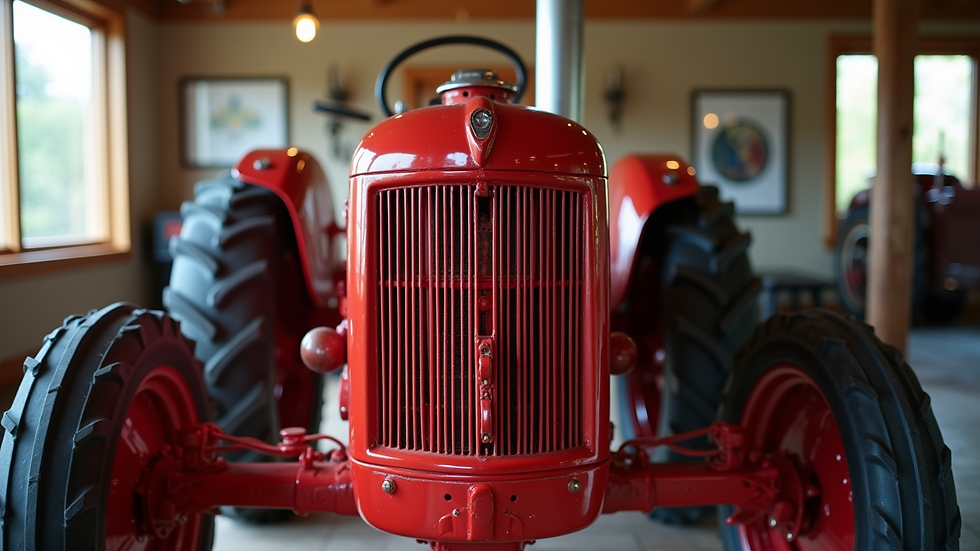
How Antique Farm Equipment Shaped Rural Life
The impact of antique farm equipment goes beyond the fields. These tools influenced the daily lives of farming families and the structure of rural communities. For instance, the introduction of mechanized equipment reduced the need for large labor forces, changing how farms were managed and how people worked together.
Farm equipment also played a role in social and economic development. Successful farming meant better food security, more trade, and the growth of towns and markets. The tools farmers used were a symbol of progress and pride.
Preserving antique farm equipment helps us remember these connections. It reminds us that farming was not just a job but a way of life that shaped culture, traditions, and relationships.
Practical Tips for Preserving Antique Farm Equipment
If you or someone you know has antique farm equipment, preserving it can be a rewarding project. Here are some practical tips to keep these historical pieces in good condition:
Clean gently - Use soft brushes and mild soap to remove dirt without damaging the surface.
Prevent rust - Apply light oil or rust inhibitors to metal parts, especially if the equipment is stored outdoors.
Store properly - Keep equipment in a dry, sheltered place to avoid weather damage.
Document history - Record any known information about the equipment’s origin, use, and previous owners.
Seek expert advice - Contact local museums or restoration experts for guidance on repairs or restoration.
By taking these steps, you help preserve a piece of history for future generations to learn from and enjoy.
The Continuing Importance of Antique Farm Equipment
Today, antique farm equipment serves as a bridge between past and present. It connects us to the stories of those who worked the land with determination and skill. These tools remind us of the challenges and triumphs of rural life.
Visiting an antique farm equipment museum or participating in local agricultural heritage events can deepen our appreciation for this legacy. It also encourages us to support efforts that preserve rural history and culture.
In a world that moves quickly, taking time to reflect on the past through these artifacts offers a sense of continuity and respect for the land and those who have cared for it.
Whether you are a family looking for an educational outing or a history enthusiast eager to explore, the legacy of antique farm equipment has something valuable to offer. It invites us to slow down, learn, and celebrate the rich agricultural heritage that continues to shape our communities.
Thank you for joining me on this journey through the history and legacy of antique agricultural tools. I hope it inspires you to explore and appreciate the stories behind these remarkable machines.

Comments